
by Mike Donnelly, Matt McCauley, Sandy Middleton, and Kent Sullivan
with Amy Taricco and Mike Intlekofer
Introduction
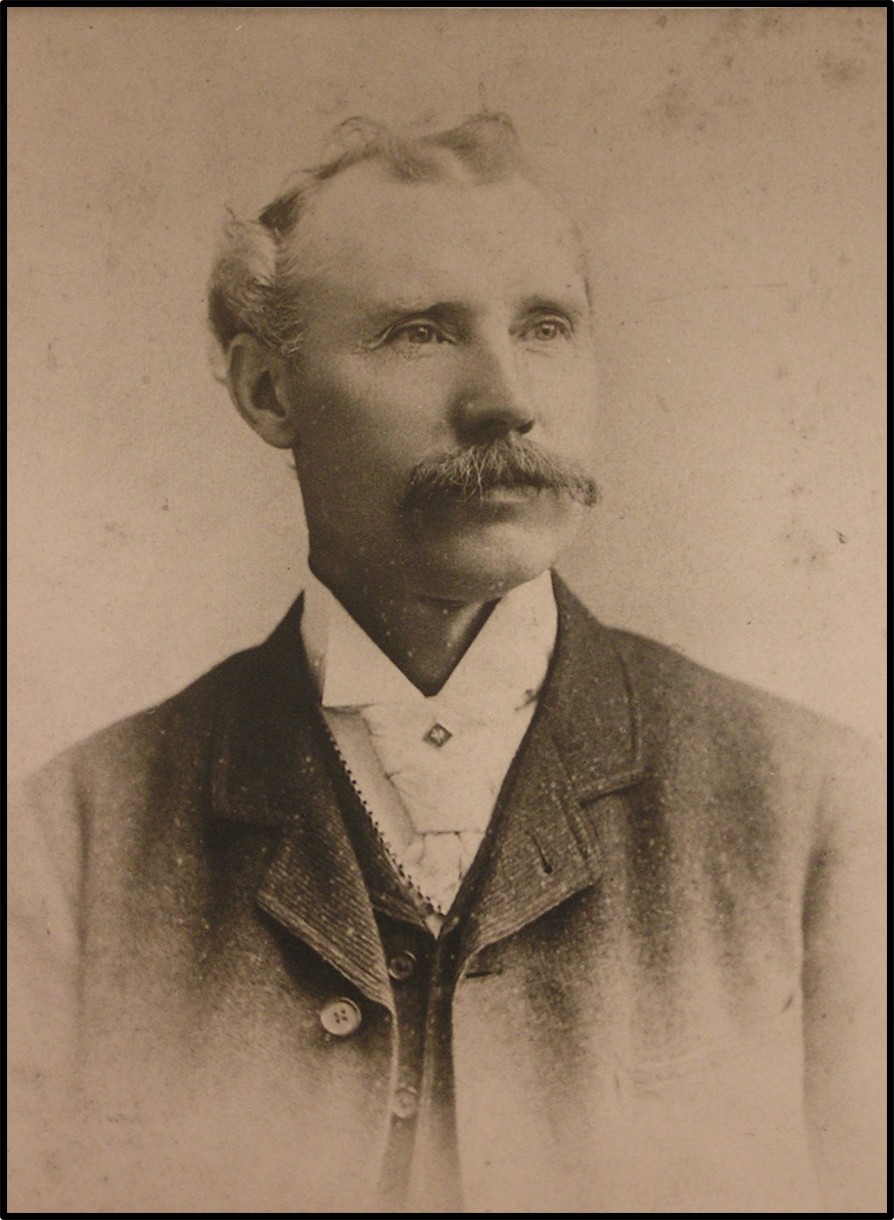
The story of the Kirkland Steel Mill actually begins in the iron districts of northern England. Peter Kirk spent decades in the iron works industry as an inventor and visionary before setting foot in the Pacific Northwest. Born in 1840 in Chapel en le Frith, Derbyshire, he moved with his family to Workington in 1860, where he quickly distinguished himself in the ironworks industry. In 1865, he married Mary Ann Quirk. By 1870, confident in his abilities and eager for independence, he left the family business to establish his own iron works in Workington. His success at Moss Bay Hematite Iron & Steel Co., Ltd. positioned him as a respected industrialist, but the global iron market was shifting beneath his feet.
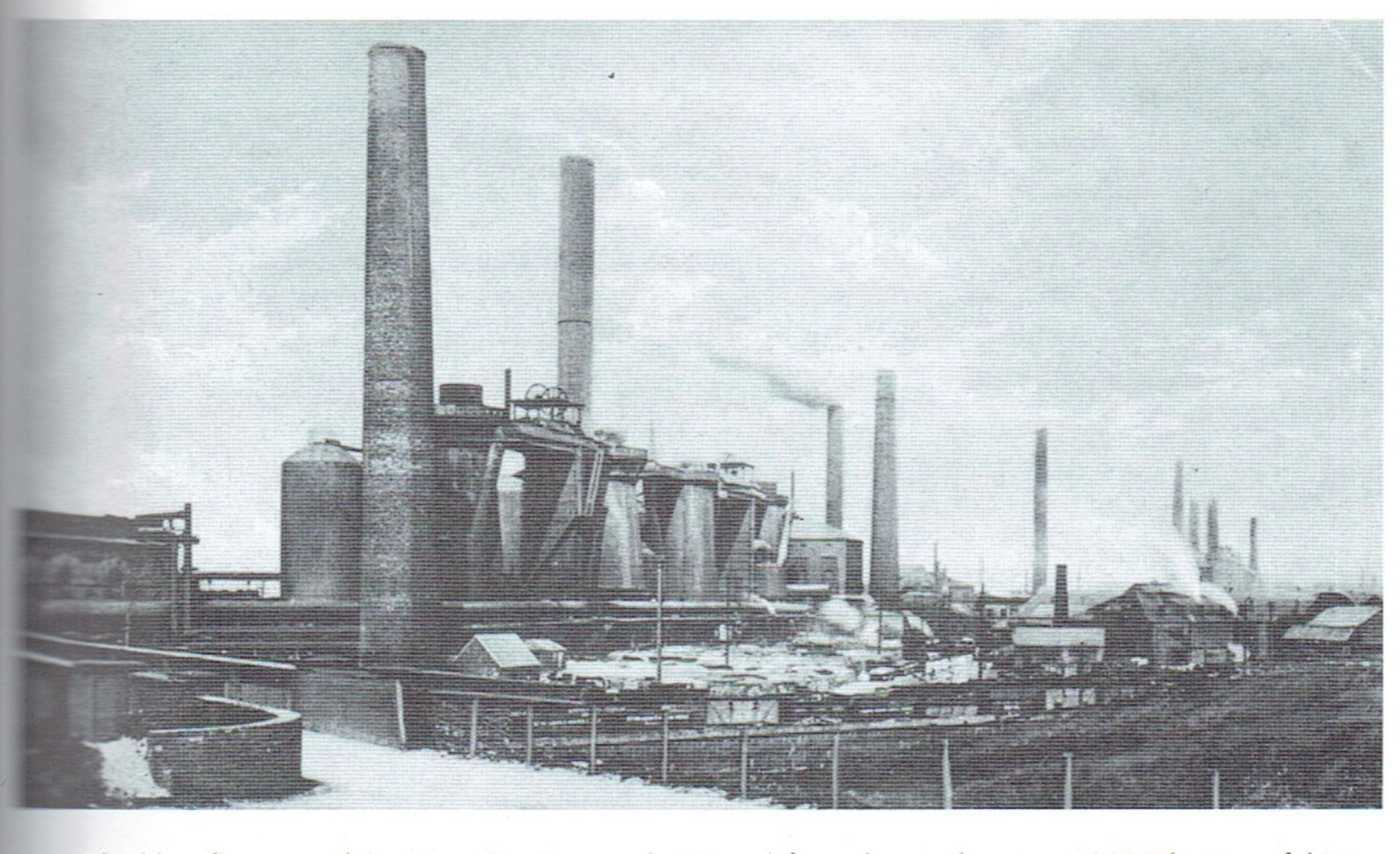
By the mid 1880s, an extended downturn in the British iron industry forced Kirk to consider new strategies. He embarked on a fact finding tour of the United States, hoping to determine whether a Moss Bay subsidiary in the U.S. could stabilize the company’s future. What he found astonished him. America’s natural gas, cheap coal, abundant ore, and vast transportation networks were transforming the industry. As he told the Pittsburgh Post in 1886, “A new era has dawned for America… England can no longer compete with America in iron products.” That realization — paired with a large rail order from the Seattle, Lake Shore & Eastern Railroad and promising reports about the Denny iron deposits — drew him westward to Seattle.
A Frontier Vision
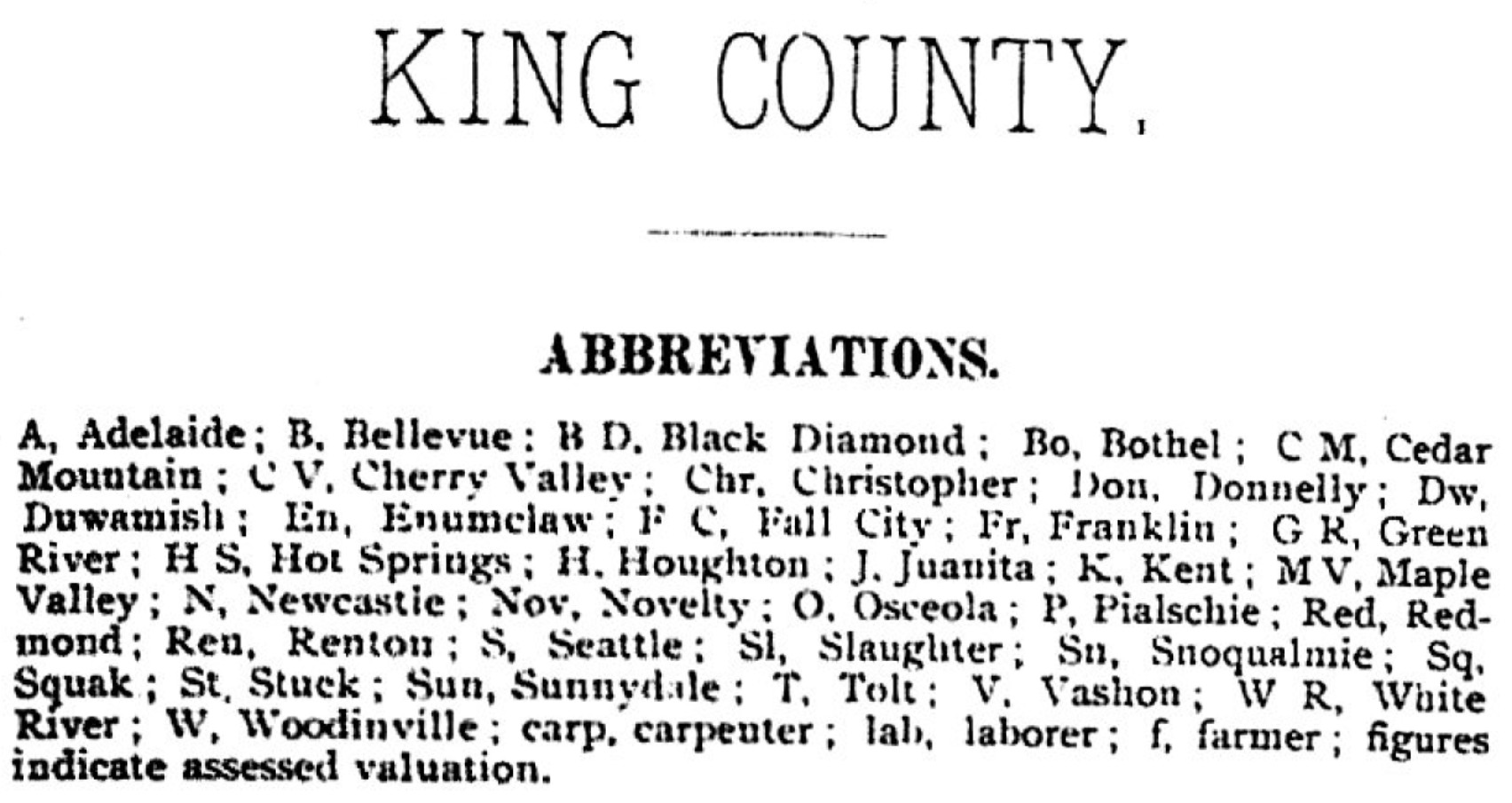
Seattle in the late 1880s was a frontier city still recovering from the Great Fire of 1889. Kirkland, across Lake Washington, was even more remote. The 1888 Polk directory didn’t list it at all; supplies had to be shipped by steamboat. (It did list Houghton and Juanita.) Yet Kirk saw opportunity in this wilderness. The region was 1,600 miles closer to western railroads than England, and it offered access to emerging markets across Asia and the Americas.
But significant challenges remained. Seattle and Tacoma were locked in a bitter rivalry. The Northern Pacific Railroad controlled transportation and coal, limiting Kirk’s leverage. Questions lingered about the quantity and quality of local iron ore. As an immigrant, Kirk faced legal restrictions on business ownership. Still, he doggedly pursued a mill.
1880-1890: Laying the Groundwork
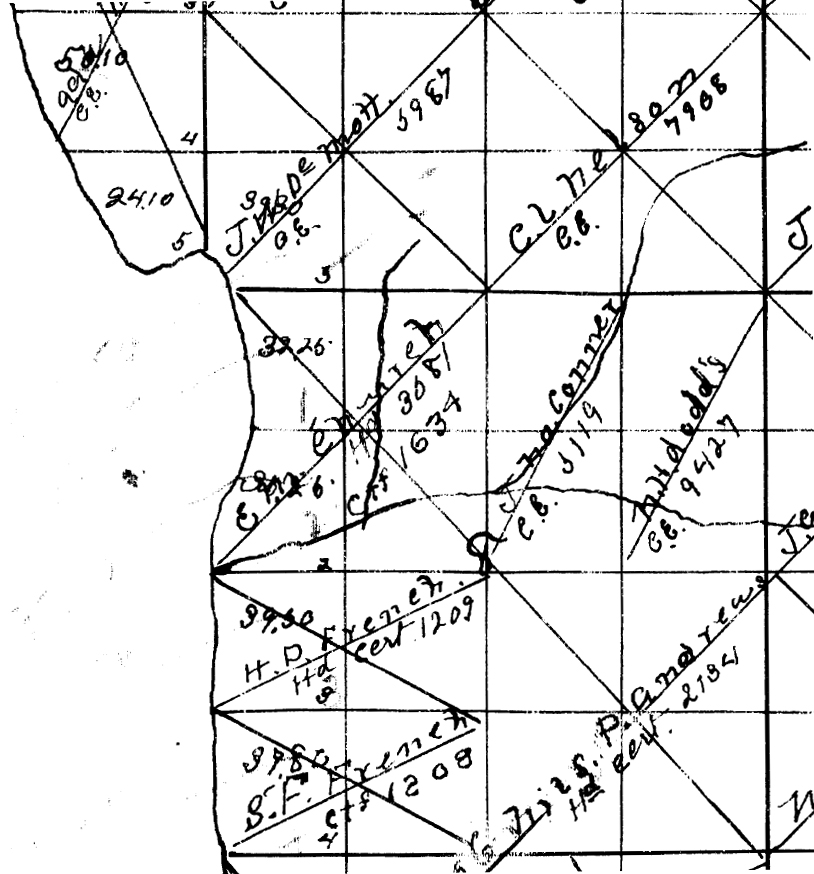
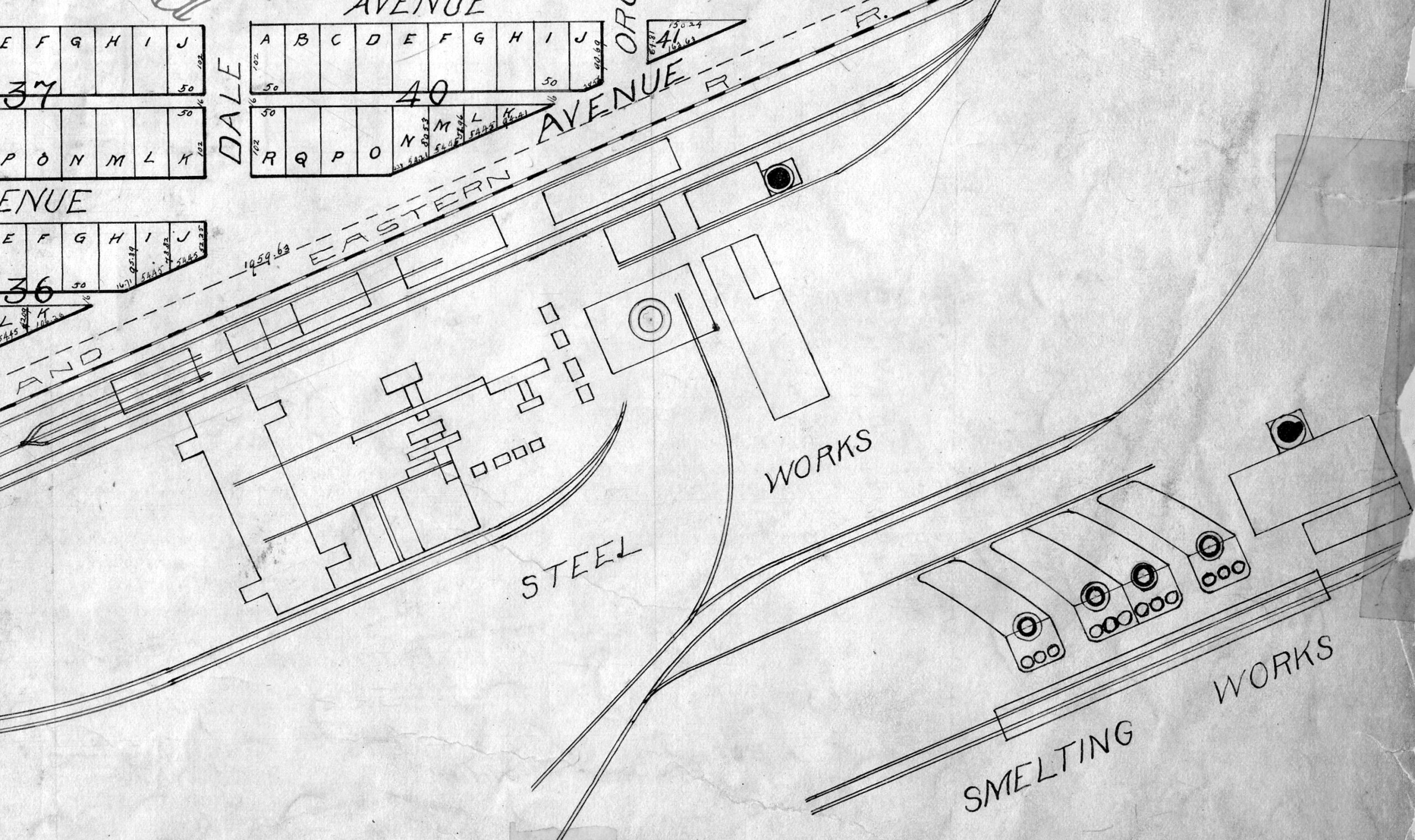
Kirk and his partners began assembling the pieces of an industrial ecosystem: a mill company, a land company, and a lumber company. Early plans placed the mill at lake level, near what is now Kirkland Urban. But the Northern Pacific refused to build rail lines down the steep hill. The town plat was amended in 1890, relocating the mill site more than 200 feet higher on Rose Hill.
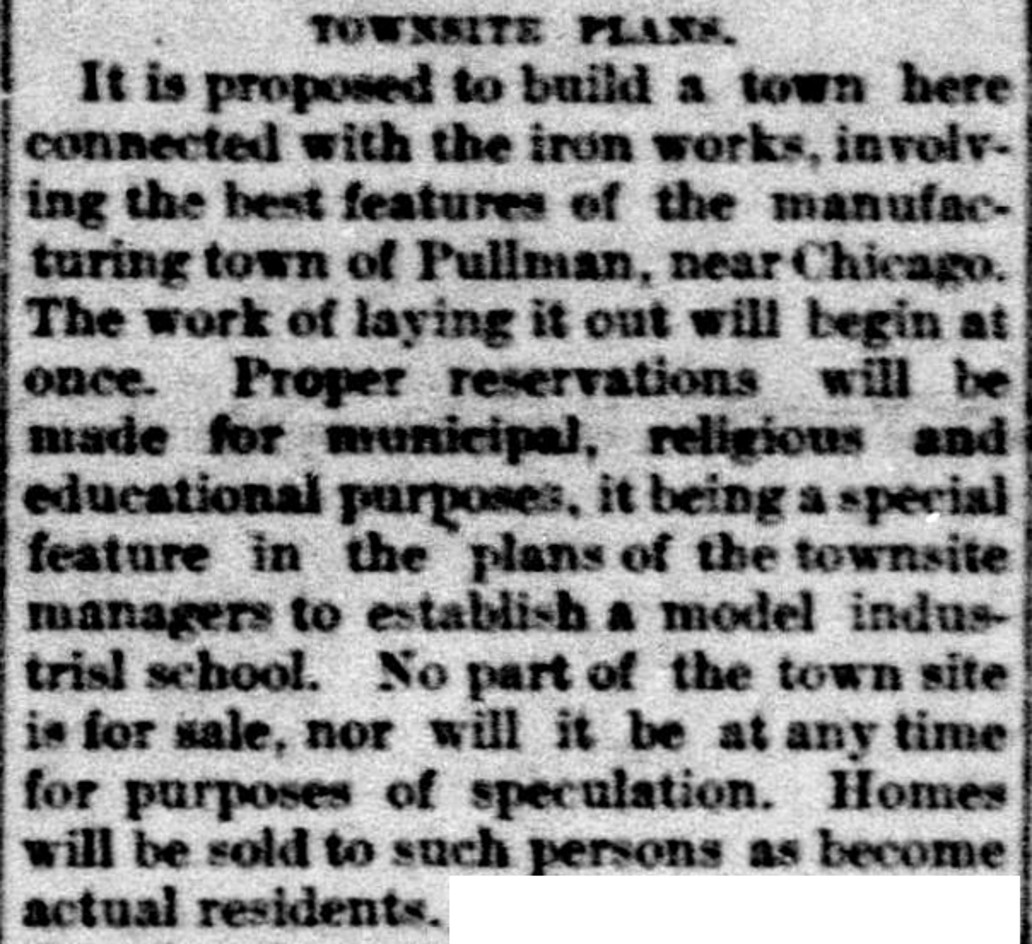
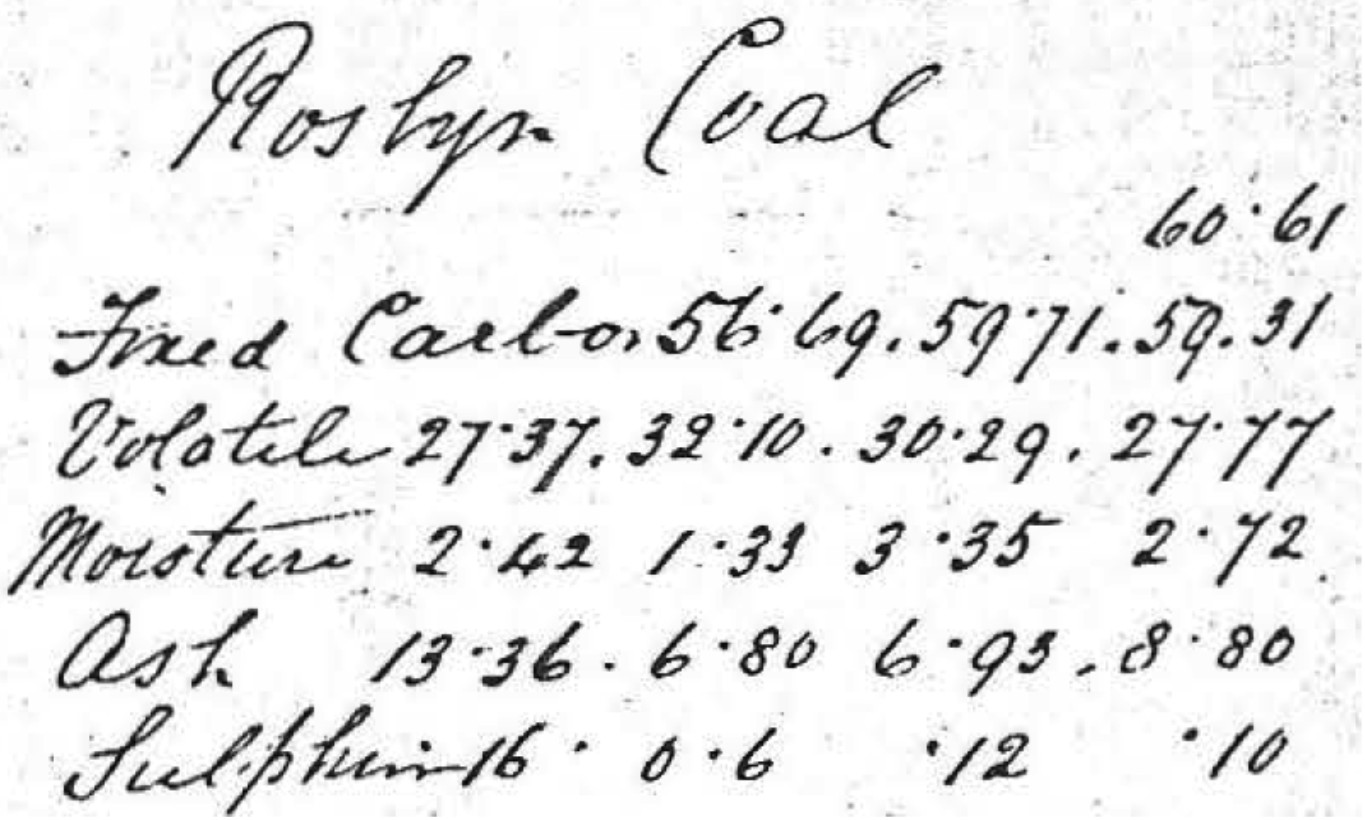
Kirk envisioned not just a mill, but a community that was family oriented and free from speculation. He personally analyzed more than 50 samples of ore, coal, clay, and limestone from sites across Washington, Oregon, British Columbia, and the San Juan Islands, due diligence for his belief that Kirkland was to become a major industrial center.
Meanwhile, Seattle’s business elite pursued their own ambitions. The Lake Washington Belt Line Company, incorporated in 1890, sought to create an industrial corridor along the lake’s eastern shore. A steel mill in Kirkland was central to their plan. But the Belt Line’s success depended heavily on cooperation from the Northern Pacific — cooperation that never fully materialized.
1891-1892: Full Steam Ahead
Despite obstacles, construction surged forward. Moss Bay reorganized as the Great Western Iron & Steel Company, and spending accelerated. Workers cleared land, graded slopes, erected structures, and purchased equipment. Transportation infrastructure expanded: roads were built, rail lines were surveyed, and efforts continued to attract complementary industries, including the Eyanson Woolen Mill in 1892.
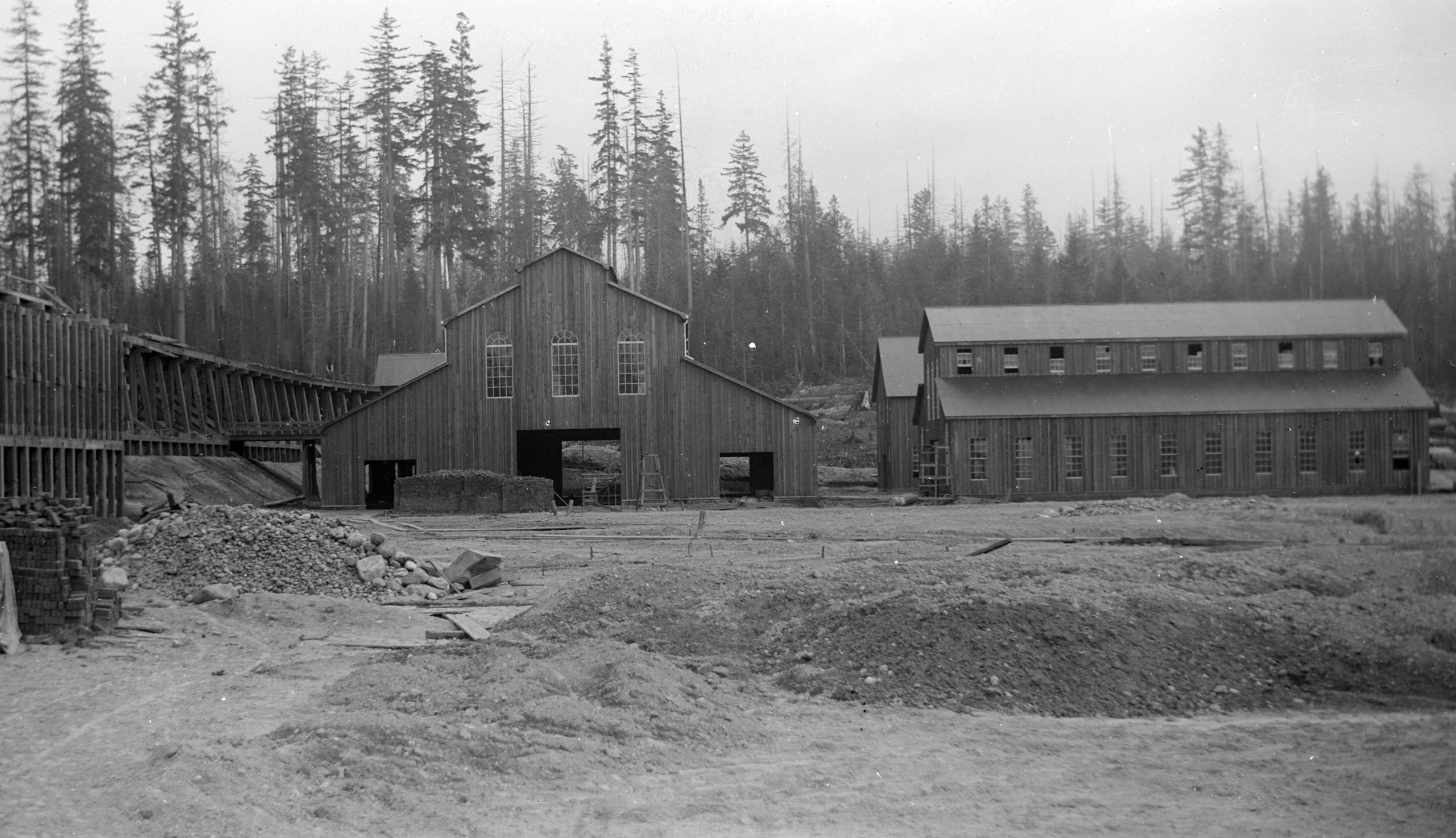
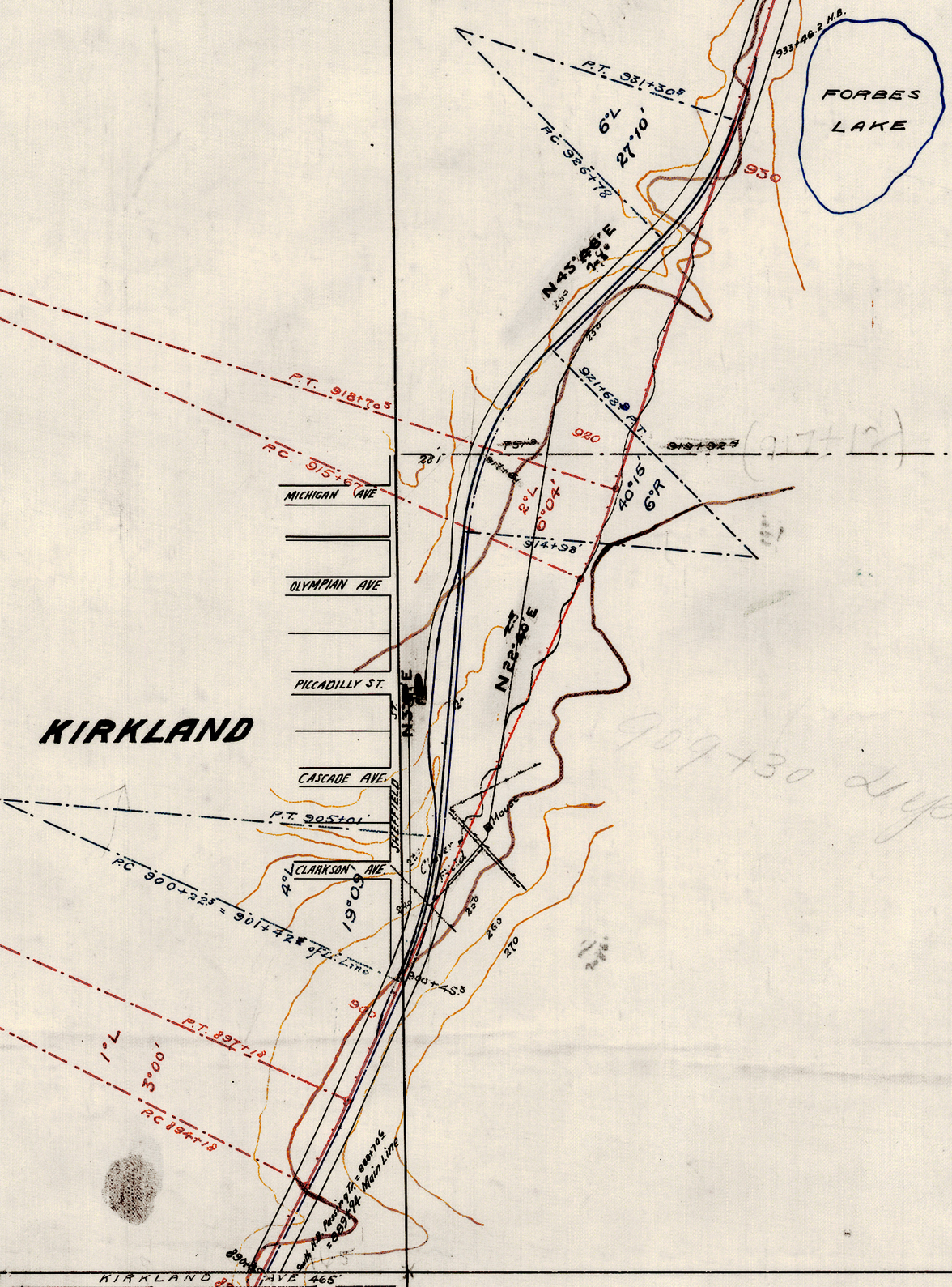
The surviving evidence from this period, including photographs, maps, newspaper clippings, bills of sale, and later academic work, paints a picture of intense activity. Phase 1 construction produced mill shop buildings, bunkers, track, supply stacks, a tramway, a brick plant, a water tower, and housing. The mill was becoming real!
1893-1894: Collapse
Then everything fell apart.
The Seattle Fire had already drained local capital. The failure to advance the Lake Washington ship canal stalled regional industrial growth. The Panic of 1893 — one of the worst financial crises in U.S. history — dried up outside investment. The bankruptcy of both the SLS&E and the Northern Pacific compounded the uncertainty.
The mill, still incomplete, could not survive. Construction halted. Investors withdrew. The dream slipped away.
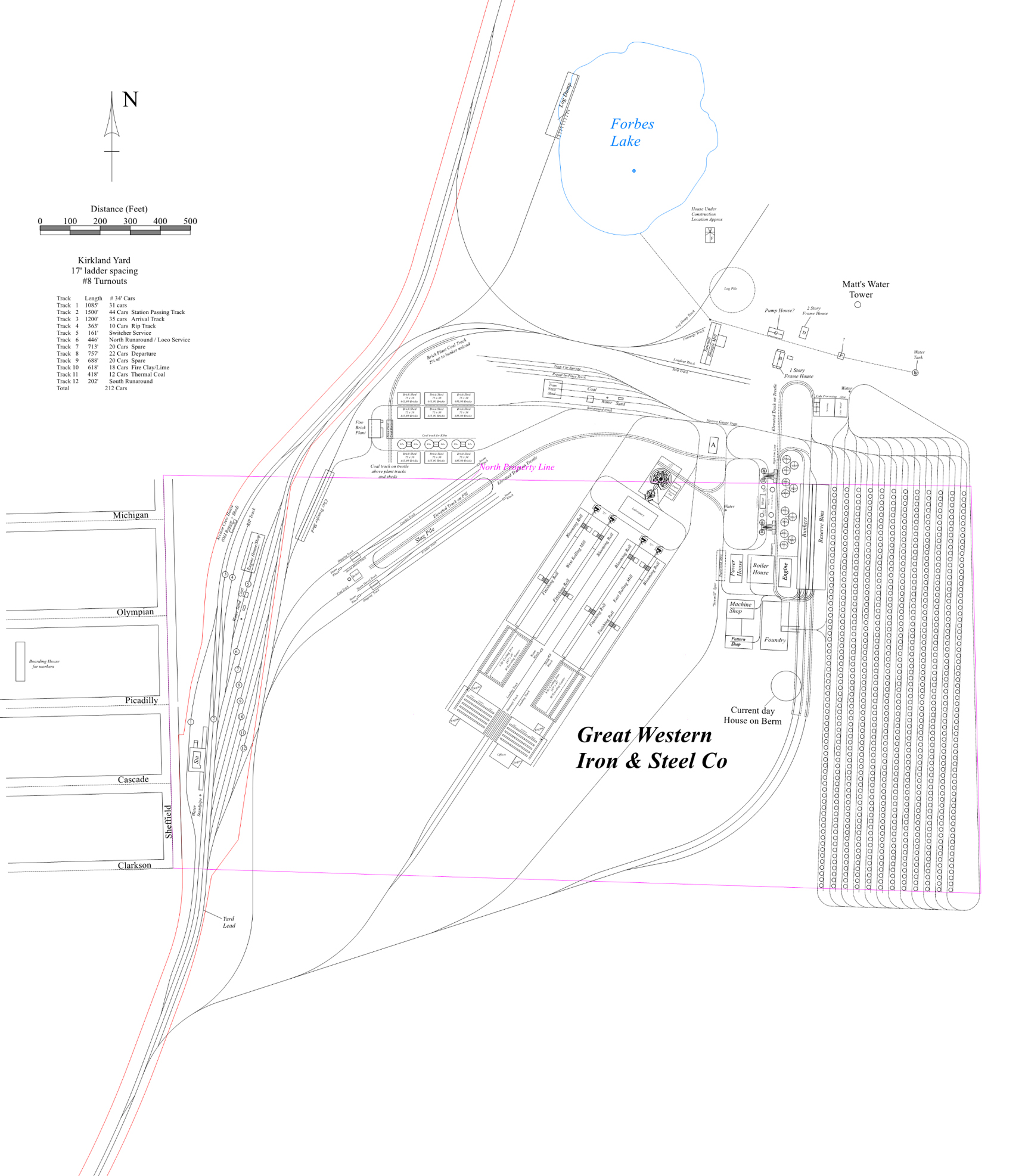
Much of the intended design remains speculative. No plans survive, so our team relied on maps, photo analysis, operational logic, Kirk company precedents in England, and typical U.S. steel practices to infer what Phases 2–5 might have looked like. CAD models helped us visualize both what was built and what might have been.
1895-1909: Persistence and Reinvention
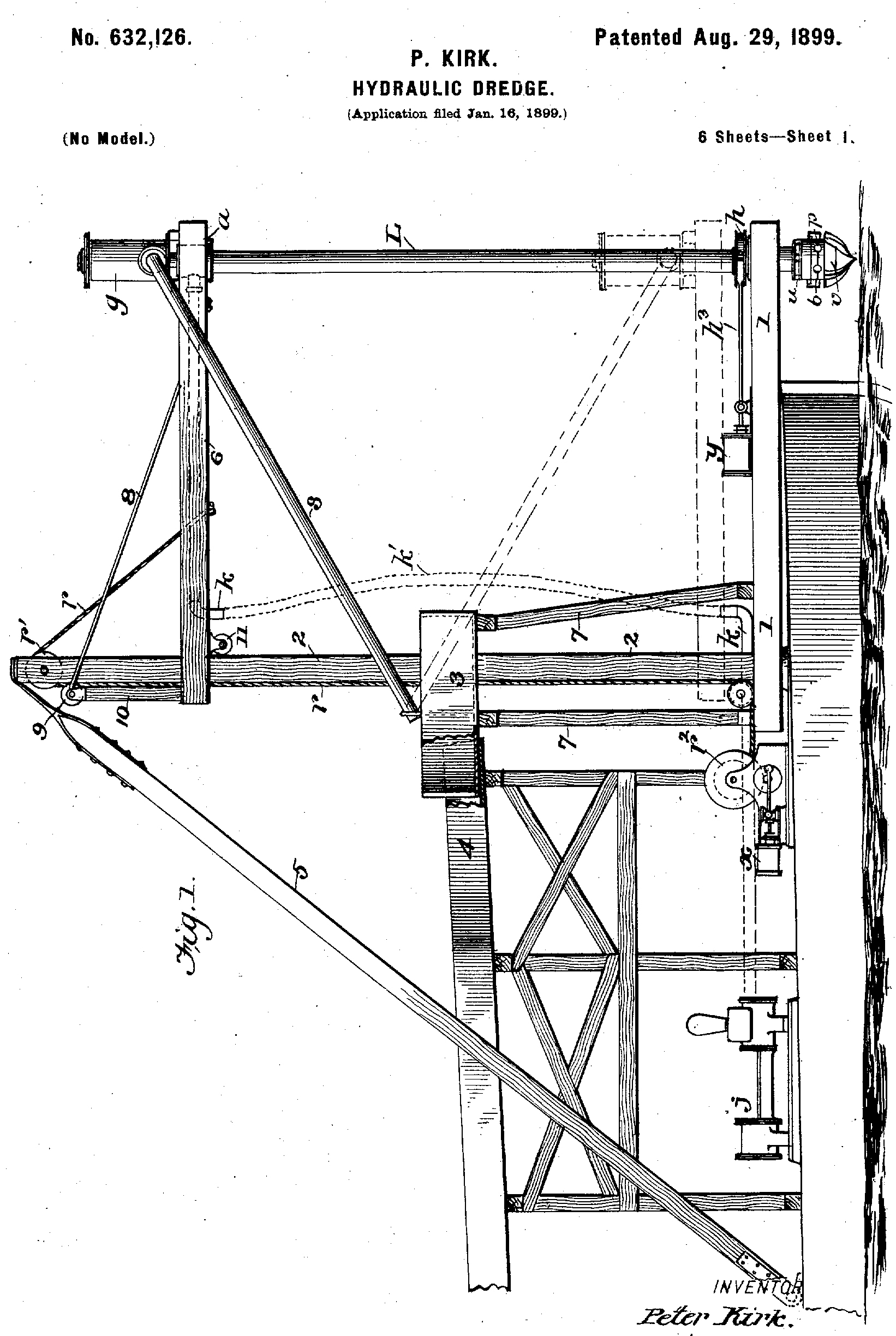
Peter Kirk didn’t abandon his dream for Kirkland. He invested in a local ferry business to generate capital. He continued investing, believing that new technologies might someday revive the steelworks. In 1899, he told the Yakima Herald that the return on his $300,000 investment was “buried in the womb of the future.” He consulted to generate income and to produce patents, waiting for the day to realize his vision.
1910: The Final Chapter
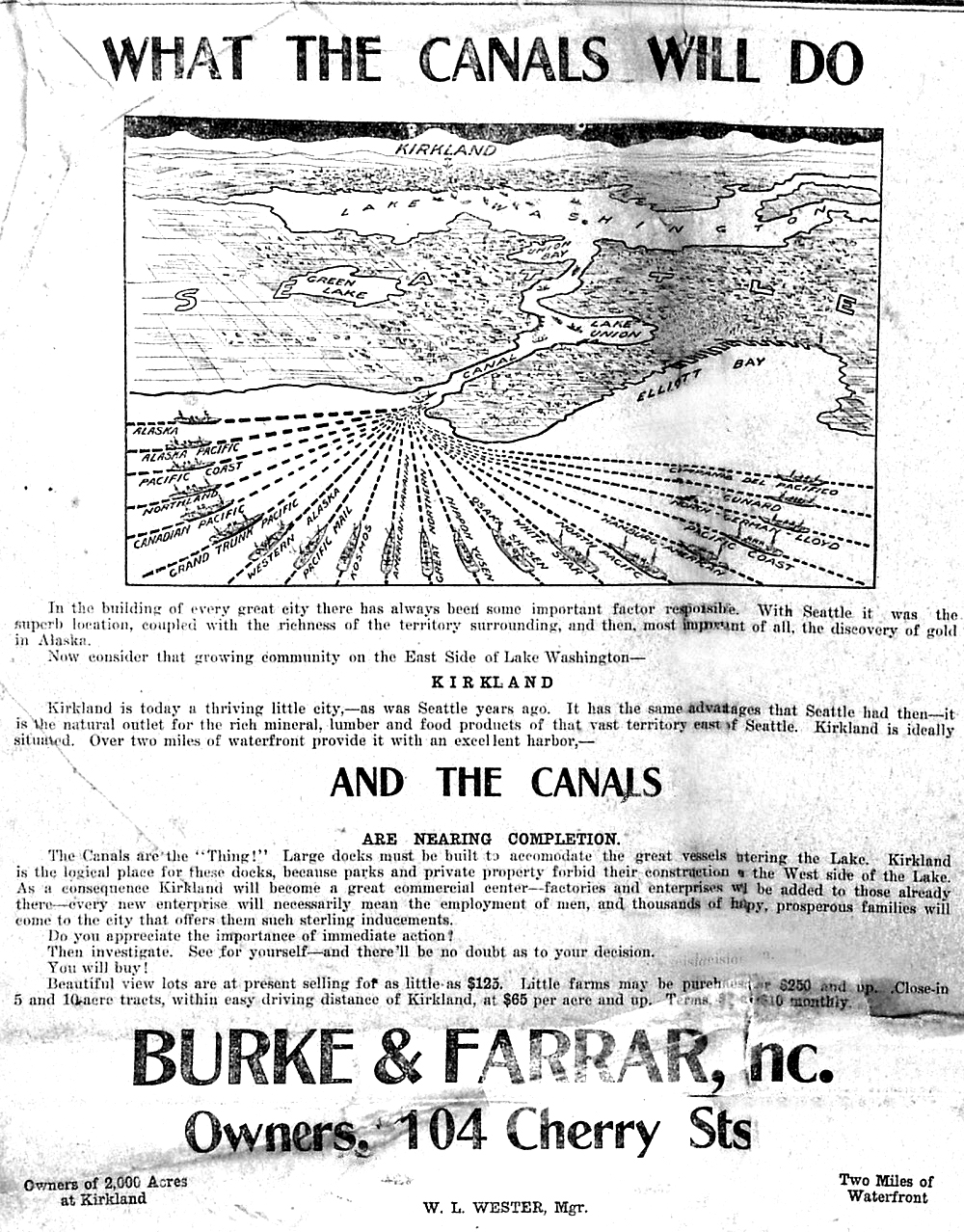
By 1910, lawsuits were settled, debts resolved, and the townsite sold to Burke & Farrar. The Lake Washington ship canal was finally completed. Kirk, grieving the death of his daughter in 1904, had moved to the San Juan Islands. He died at his home in Friday Harbor in 1916.
The Kirkland Steel Mill never produced a single ingot of steel. Yet its legacy endures. It shaped the early development of Kirkland, attracted settlers, and laid the groundwork for a community that would grow long after the mill’s foundations disappeared from view. It remains one of the Pacific Northwest’s most ambitious industrial dreams that, if achieved, would have fundamentally changed Kirkland as we know it today.
Interested in more detail? We can help with that!
Our team presented its research across two presentations that you can view on YouTube:
Part 1 (57:13)
Part 2 (1:45:55)
The presentations go into great detail about what was constructed, the hows and whys of our speculation about the full build-out, and our research sources.
Sandy also presented a condensed version of the story, focusing on Peter Kirk, at the 2022 Society for Industrial Archeology conference in Portland, Oregon. You can check out a recording of it on YouTube.
Enjoy!